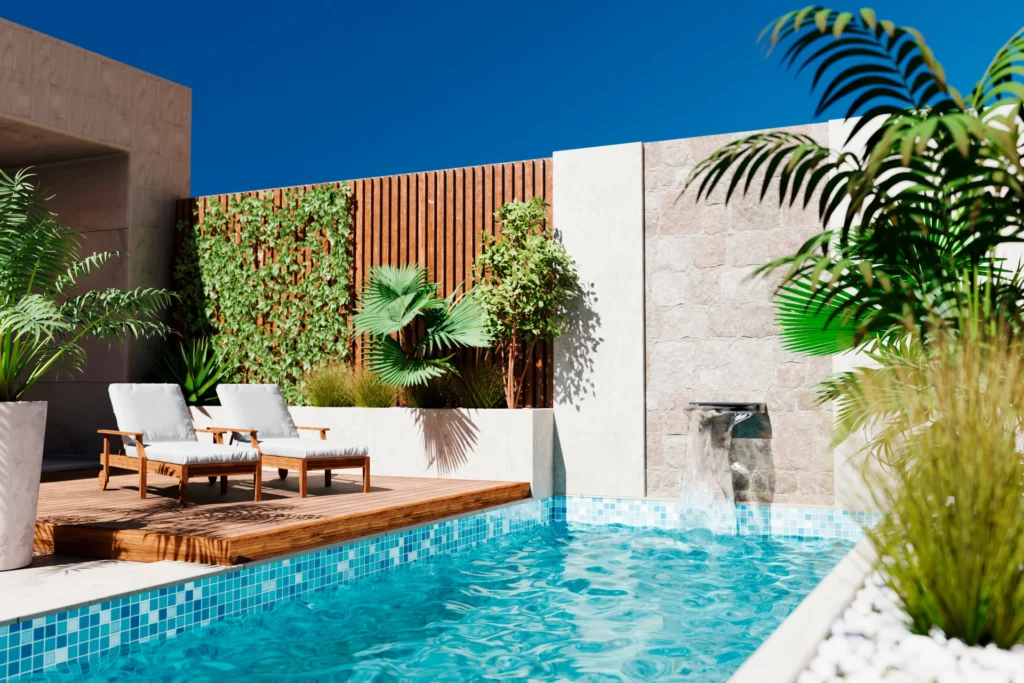
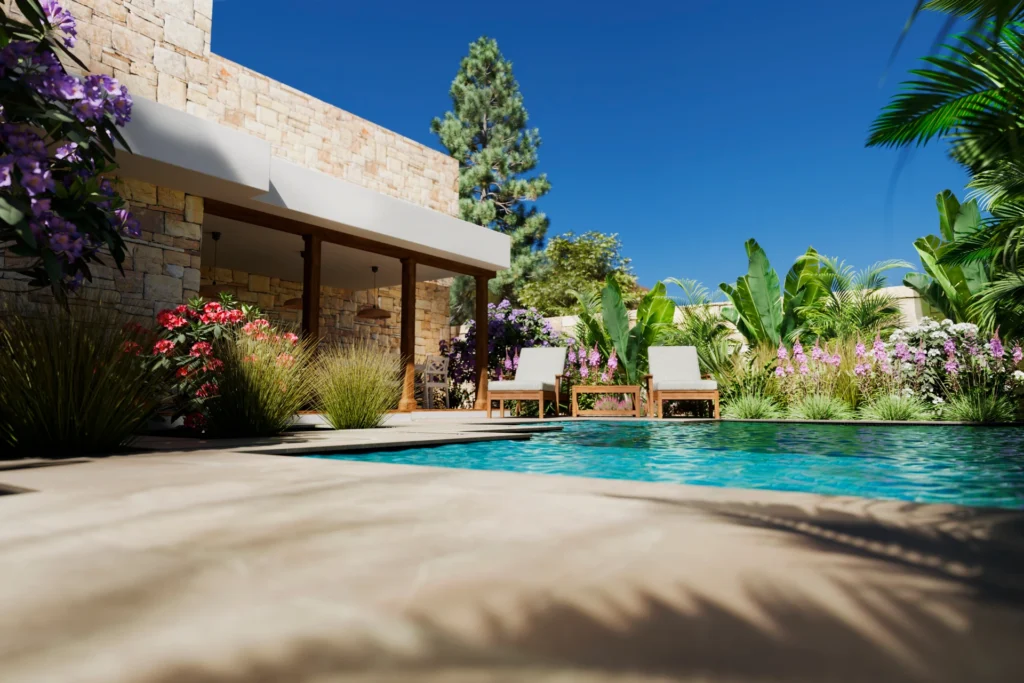
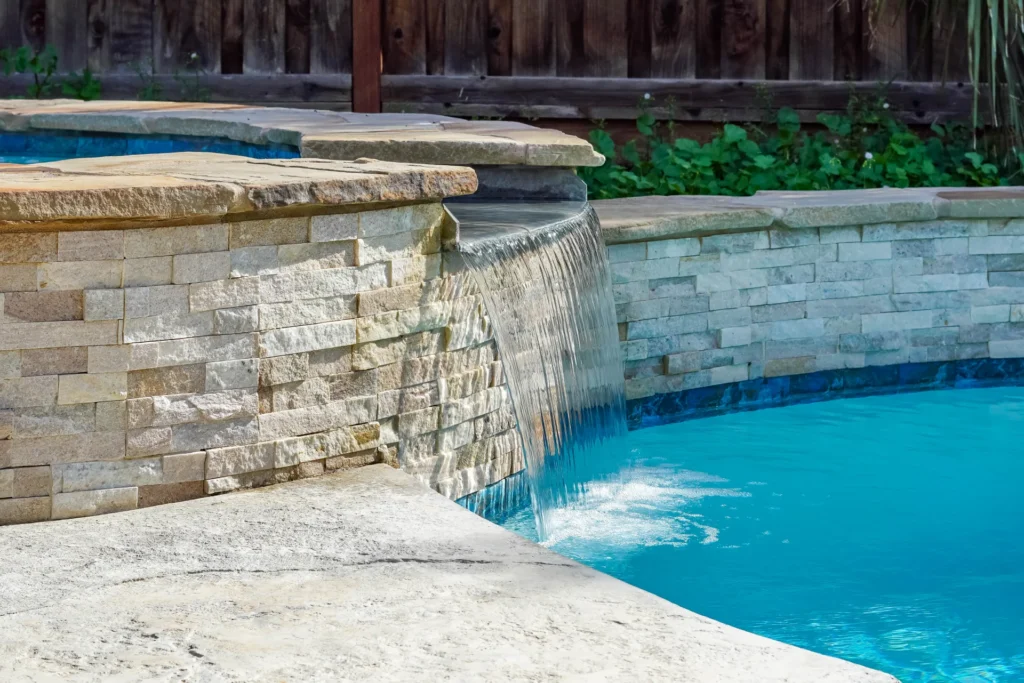
A pool does not simply appear in the backyard, no matter how strongly you manifest it from the patio.
Behind every finished pool is a clear sequence of planning, design, approvals, site preparation, construction, installation and finishing work.
Understanding the pool installation process helps you know what to expect before the first shovel hits the ground.
What Is the Pool Installation Process?
The pool installation process is the step-by-step journey of turning a pool idea into a finished swimming area. It usually includes consultation, design, approvals, excavation, structural work, plumbing, equipment installation, interior finishes, safety checks and handover. Each phase matters because a pool needs to be beautiful, practical, compliant and built to last.
How Does the Pool Installation Process Begin?
The pool installation process starts with a conversation, not a digger.
This first stage is about understanding how the pool will be used, who will use it, what the site allows, and which features will genuinely improve the home. For example, a family pool used daily by children needs different planning from a compact relaxation pool designed for quiet weekends.
During this early stage, Tropical Pools considers the home, lifestyle, outdoor layout and local environmental conditions before recommending a suitable pool solution. That matters because the right pool should feel like part of the property, not a separate object dropped into the backyard.
This is also the point where practical questions come up.
How much space is available?
Where does the sun fall?
Is access easy for machinery?
Will the pool be used for exercise, entertaining, cooling off, or all three?
The answers shape everything that follows.
Phase 1: Planning the Pool Installation Process Properly
Good planning is the quiet hero of the pool installation process.
It is where budget, lifestyle, site conditions and design expectations are brought into line before the physical work begins. This stage helps reduce surprises later, which is useful because surprises during pool projects tend to arrive wearing steel-capped boots and carrying invoices.
A well-planned custom pool can be shaped around the household rather than forcing everyone to adapt to a standard layout. This might include shallow play areas, swim zones, seating ledges, integrated steps, a connected spa, or a smaller footprint for tighter spaces.
This is also when the pool’s position should be considered carefully. The location affects privacy, drainage, views, shade, supervision and how easily people move between the house, alfresco area and pool.
Simple planning priorities often include:
- Access to the site: Builders need to know how machinery, materials and equipment will reach the backyard safely.
- Pool use: A pool for children, guests and relaxed weekends may need different depths and entry points from a lap-style pool.
- Existing landscaping: Trees, slopes, retaining walls and nearby structures can influence the final design.
- Compliance: Pool fencing, barriers and safety rules should be considered early, not added as an afterthought.
Australian pool safety laws vary by state and territory, so checking the relevant pool safety requirements early can help homeowners understand how barriers and access points may affect the design.
Phase 2: Designing the Pool Installation Process Around the Home
Design is where the pool installation process becomes personal.
A good pool design is not just about choosing a shape. It considers how the pool connects to the house, outdoor living areas, garden, sunlight, wind and views. It also considers how the finished space will feel at 7 am, 2 pm, and after dinner when someone inevitably says, “Just one quick swim.”
At this stage, decisions are made about size, depth, entry points, finishes, lighting, water features and optional extras. The design may also consider whether the home is better suited to a traditional family pool, a compact plunge option, a spa addition, or a more architectural waterline feature.
For smaller spaces, a plunge pool can be a practical choice because it offers cooling, relaxation and visual appeal without needing a large backyard. In larger or sloped settings, an infinity pool can create a strong connection between the pool, landscape and horizon.
The design phase should also account for long-term maintenance. Smart equipment placement, suitable finishes and easy access to filtration systems can make the pool much easier to live with.
Phase 3: Approvals, Safety and Site Preparation
Before construction starts, approvals and site preparation need to be handled properly.
This part of the pool installation process is less glamorous than tile samples, but it is essential. Depending on the property and location, approvals may involve engineering details, council requirements, boundary checks, drainage considerations and pool barrier planning.
Pool safety is especially important in Australia. The National Construction Code swimming pool safety guidance explains why compliant barriers and safe access need to be part of the design from the beginning.
Once approvals are in place, the site can be prepared.
This may include clearing the area, marking the pool layout, protecting nearby structures and confirming access routes for machinery. On some sites, extra work may be needed to manage slopes, soil conditions, stormwater or retaining requirements.
This phase also gives the installation team a final opportunity to review practical details before excavation begins. A small adjustment at this point can prevent a larger issue later.
Typical site preparation checks include:
- Boundary confirmation: The pool location must work within legal and practical site limits.
- Service location: Underground pipes, cables and drainage lines need to be identified before digging.
- Equipment planning: Pumps, filters and heating systems need a suitable location with safe access.
- Surface protection: Existing paths, lawns and outdoor areas may need protection during works.
Phase 4: Excavation and Pool Construction
Excavation is the moment the project starts to feel very real.
This is where the marked pool area is dug to the required shape and depth. It can look dramatic at first, especially when a tidy backyard briefly becomes a construction zone. That is normal. It is also why good planning and communication are so important.
Once excavation is complete, the structural phase begins. For many custom projects, concrete pools offer strong design flexibility because they can be formed into a wide range of shapes, levels, benches, steps and integrated features. This makes them suitable for homeowners who want a pool tailored to the home rather than a standard off-the-shelf shape.
During pool construction, reinforcement, plumbing and structural elements are installed before the pool shell is completed. The exact sequence depends on the pool type and design, but the aim is always the same: create a strong, accurate structure that supports the final finish and long-term use.
Plumbing and electrical preparation are also critical here. Returns, skimmers, drains, lights, spa jets and filtration connections need to be correctly positioned before finishes are applied.
This phase is technical, but its success is easy to recognise later. The pool feels balanced, functions smoothly and looks like it belongs exactly where it is.
Phase 5: Equipment, Finishes and the Final Pool Installation Process
The final stages of the pool installation process bring the pool from the construction site to the swimming space.
This is when equipment is connected, interior finishes are applied, surrounds are completed, and the waterline starts looking less like a worksite and more like a reason to cancel weekend plans.
The pool installation stage may include filtration systems, pumps, lighting, heating, automation and cleaning equipment. If the pool includes extras such as a connected spa pool, this is where careful integration matters. Jets, heating, seating and controls all need to work together comfortably.
Finishes also have a major impact on the final result. Interior colour can affect how the water appears, while coping, paving and surrounding surfaces influence comfort, safety and style. Slip resistance is especially important around wet areas, and surface choices should suit both the design and daily use.
Before handover, the pool is checked, filled, balanced and tested. Homeowners should also be shown how to operate the main systems, including filtration, cleaning, chemical care and any automation features.
This final phase is not just about completion. It is about confidence.
A good handover means you understand how the pool works, how to care for it, and what to keep an eye on as it settles into everyday use.
Ready to Make the Pool Installation Process Feel Simple?
The pool installation process has several moving parts, but it should never feel mysterious.
From the first consultation to design, approvals, excavation, construction, equipment setup and handover, each phase plays a clear role in creating a pool that suits the home and the people using it.
Tropical Pools designs and builds pools around lifestyle, family use, site conditions and long-term value. To discuss a pool solution that fits your home and makes sense from the first phase to the final swim, get in touch with the team today.